
Designing Clarity in an Evolving AI Product
I joined a long-running project to design Family Super App, a concept app aimed at creating a central hub to improve families everyday life. The project had no clear core feature, and I was tasked with using design alone to create a cohesive, demo-ready experience.
Family Super App was an internal concept project at Panasonic Well, a division focused on improving family wellness. Panasonic Well had developed several family-oriented products addressing areas such as communication, scheduling, and meal planning.
Project Overview
The Opportunity
Families struggle to coordinate daily life across multiple people, schedules, and responsibilities. This project explored whether core experiences from existing family products could be combined into a single, meaningful hub.
Challenge
When I joined, there was no clear core feature or product anchor. The vision was broad, and design was the primary way to explore, align, and communicate direction.
My Role
Product Designer responsible for creating clarity through structure, rapid prototyping, and iteration in an ambiguous, evolving product space.

The Reality of Modern Family Coordination
Families want to stay connected, but coordinating schedules, meals, and communication across different generations is difficult and often stressful. Planning tends to fall on one person, and existing tools don’t work well together. Panasonic Well explored how AI-assisted tools could reduce friction and help families manage daily life more collaboratively.


Understanding Families & Early Exploration
In the early phases of the project, the PM and I explored a wide range of concepts focused on helping families feel more connected—not just organized. At this stage, we weren’t constrained by a final product direction and intentionally explored ideas that could encourage participation across different family members and generations.
Family Hub Version 1
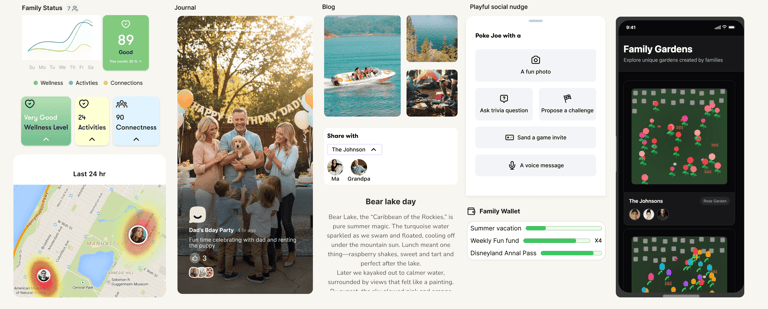
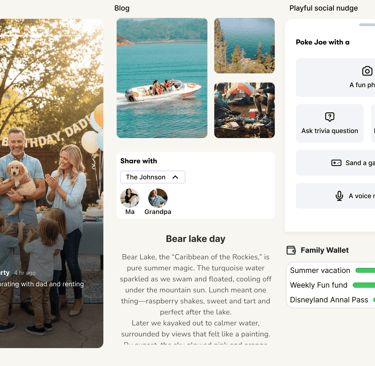
Concepts included Family Garden (visualizing shared activities and progress), Family Wallet (collective financial goals), shared journaling, and early meal planning ideas. These explorations helped us identify what families found emotionally engaging versus what felt like work.
Through this process, meal planning consistently emerged as a practical and motivating entry point for family interaction.
Family Hub Version 2
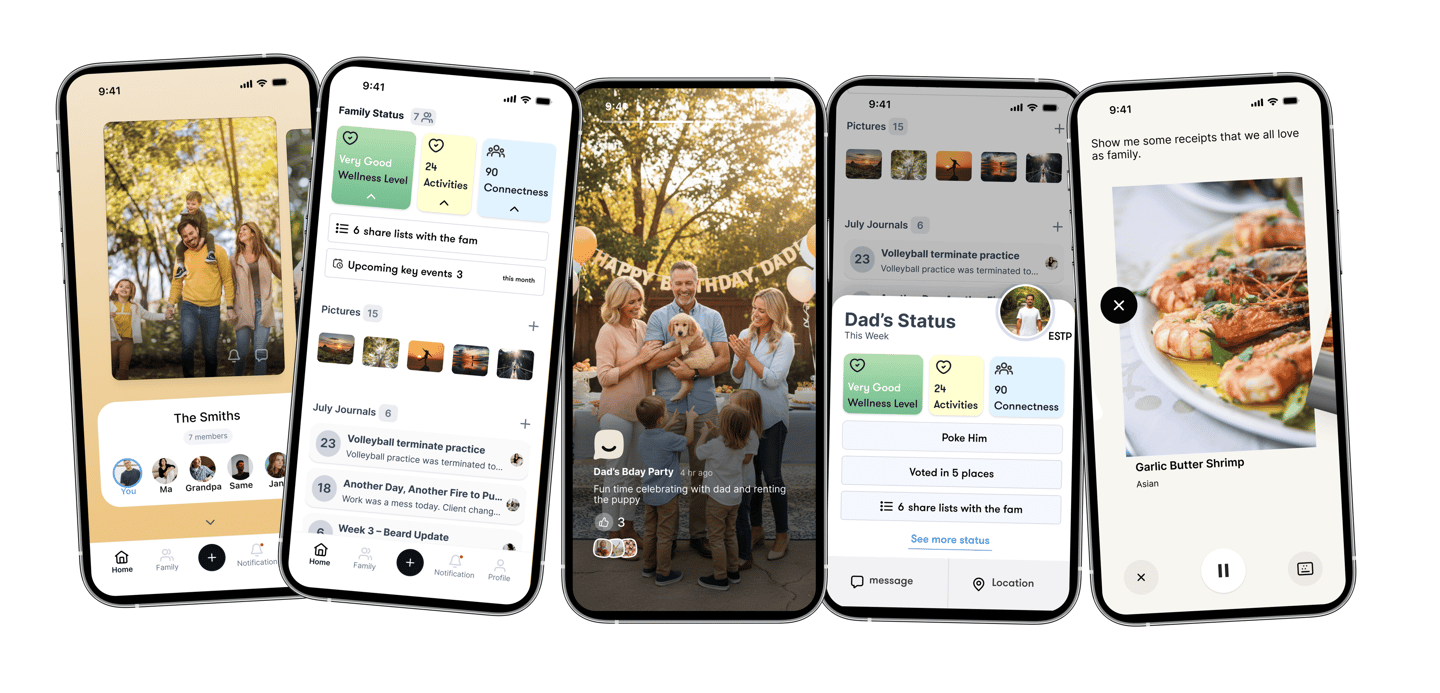
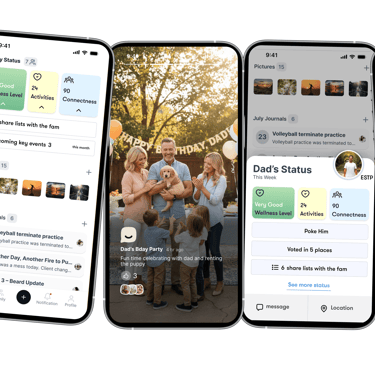
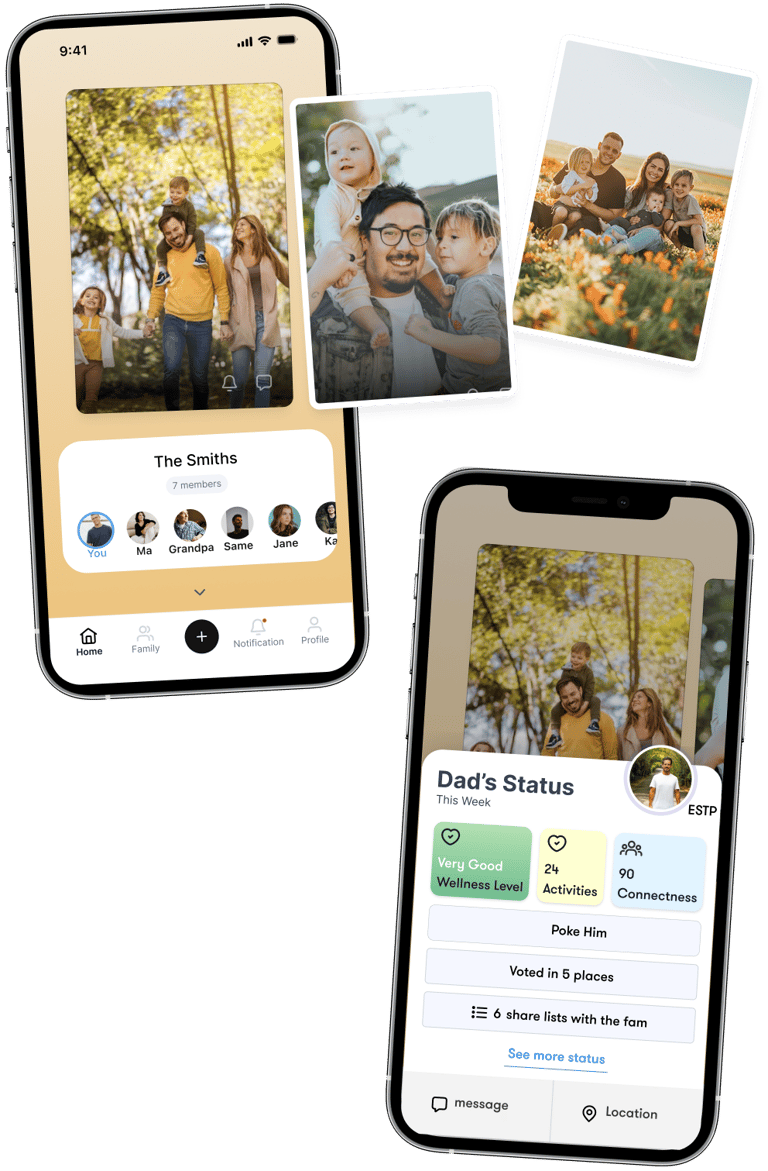
The idea was originally created for multiple families. Users can create as many family groups as they want. They can name each group, invite individuals into the group, and see how everyone is doing.
In the experience, users can view the status of the whole family as well as individual members. Family members can interact with each other by playing games and inviting each other to participate in family challenges. Users can also share journal entries and images on the platform to show family members what’s happening in their lives.
Reducing Risk Through Focused Validation
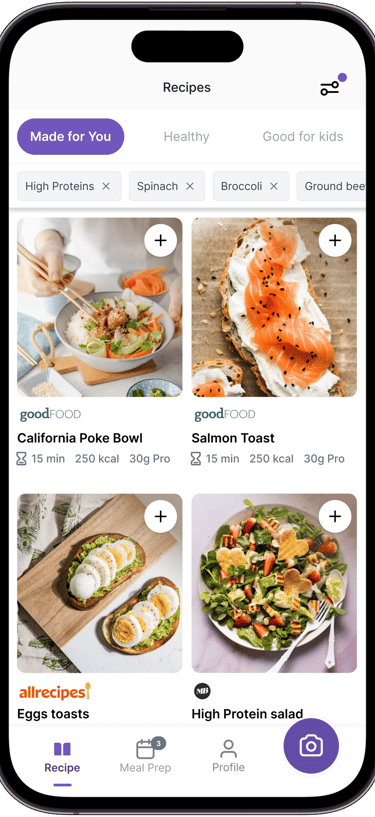
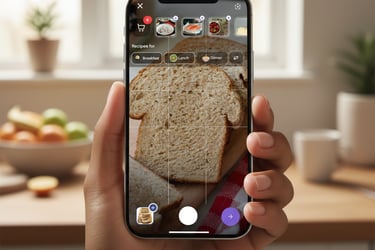
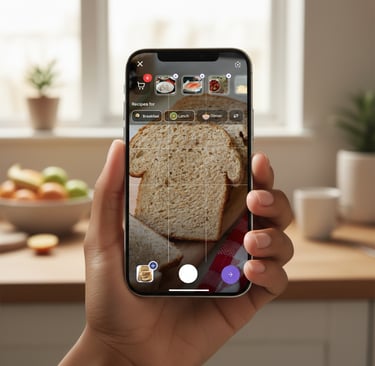
Between Version 2 and Version 3, meal planning was split into a standalone experiment, AI meal planner, to enable faster iteration and user validation. I temporarily shifted focus to support this effort, allowing the team to test ideas without adding complexity to the larger Family Hub.


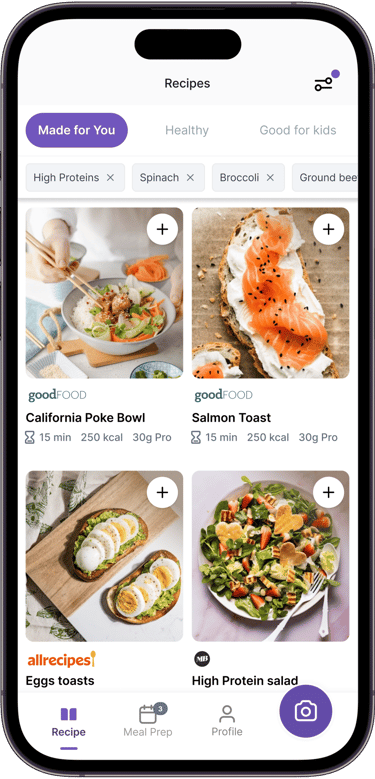


What Changed & Why
After we began working on Meal Planner, we learned that the company would be shutting down, which required us to change direction. Rather than discarding the work, we focused on preserving and evolving the value of what we had built into a concept that could still be meaningful to investors.
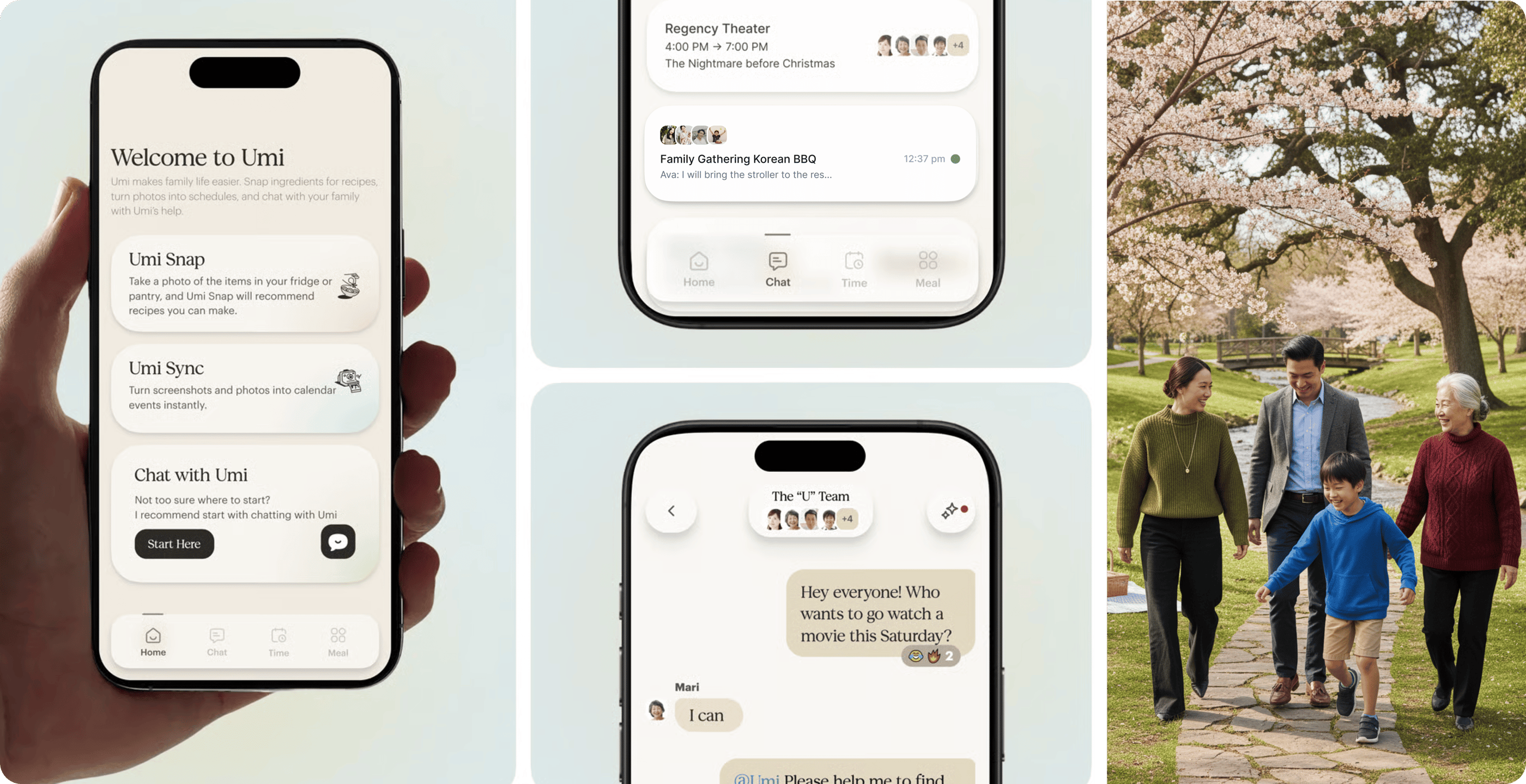
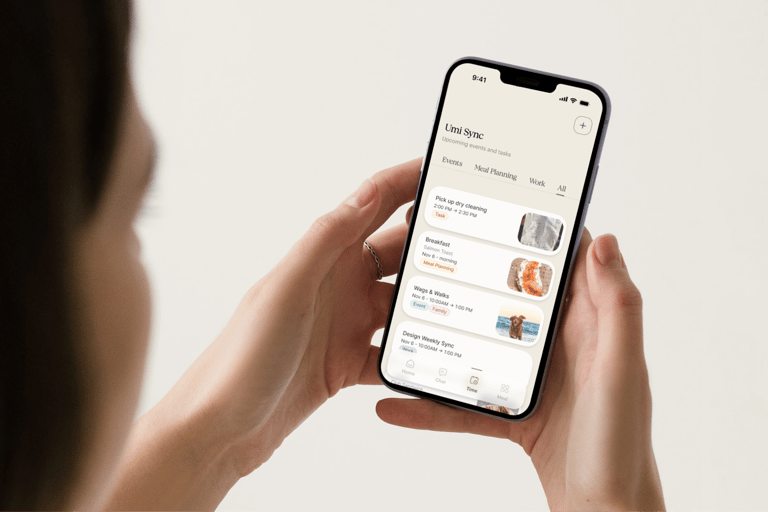
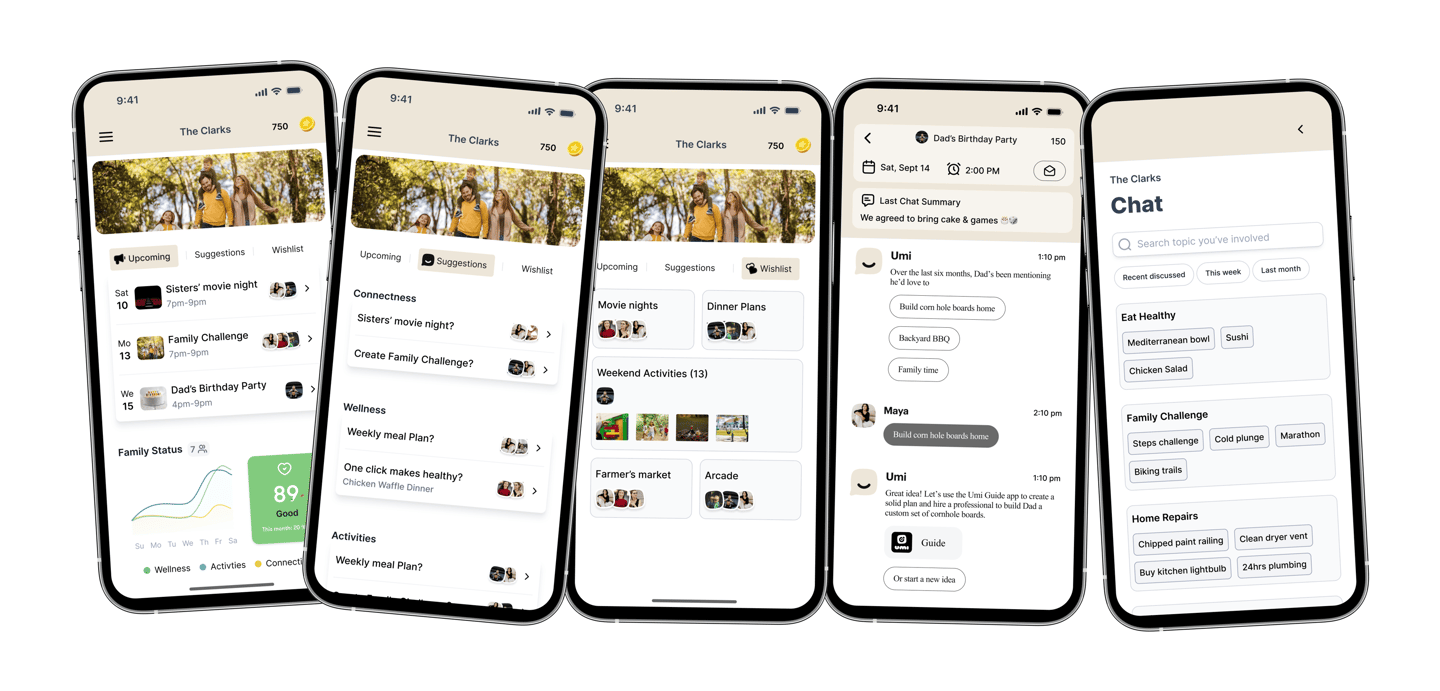
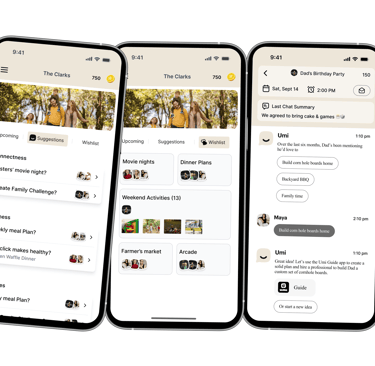
We decided to combine the most valuable features from Family Chat , Family Sync (calender), and Family Meal planning into one unified product vision. This led to Umi — a family-focused app designed to help families coordinate better, stay connected, and support healthier lifestyles.